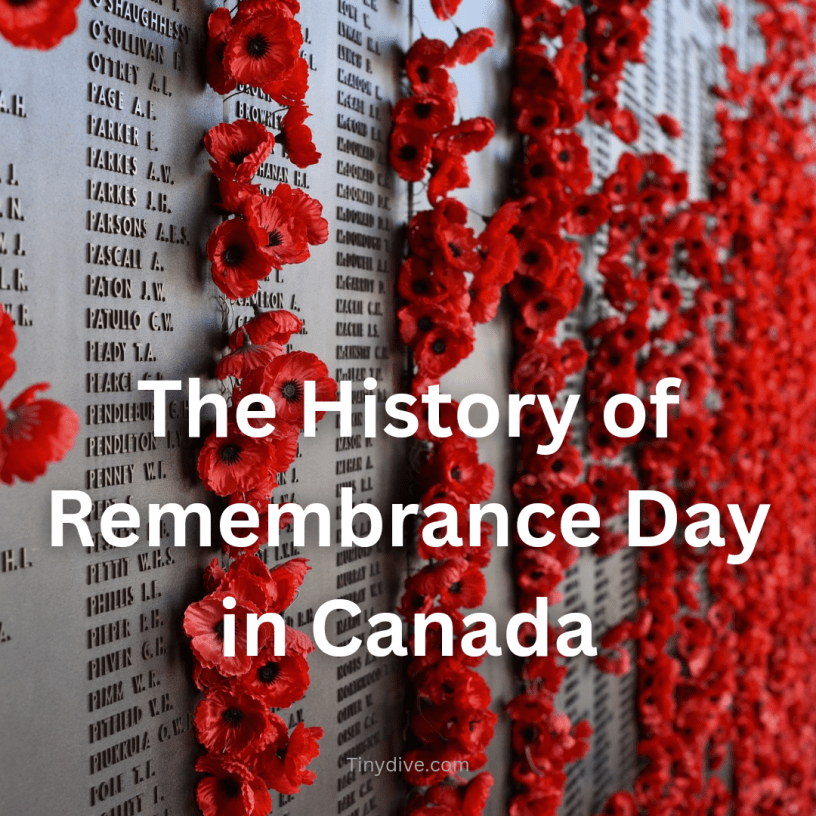
Remembrance Day, observed on November 11, is a solemn and important day in Canada, commemorating the sacrifices of military personnel in World War I, World War II, the Korean War, and other military missions. It is a day when Canadians pay tribute to the courage, dedication, and sacrifice of those who served and continue to serve in the armed forces. The observance has its origins in the aftermath of World War I, but over time, it has evolved into a broader commemoration of military service. The significance of Remembrance Day in Canada extends beyond simply honoring the fallen; it is a reminder of the ongoing responsibility to pursue peace and understanding.
Origins of Remembrance Day
Remembrance Day traces its roots back to the armistice that ended World War I. The Great War, as it was known, lasted from 1914 to 1918 and saw unprecedented levels of devastation, claiming millions of lives. On November 11, 1918, at the eleventh hour of the eleventh day of the eleventh month, the armistice agreement was signed, effectively bringing an end to the hostilities on the Western Front. This moment marked a profound relief for people around the world, including Canadians who had lost over 66,000 soldiers in the conflict.
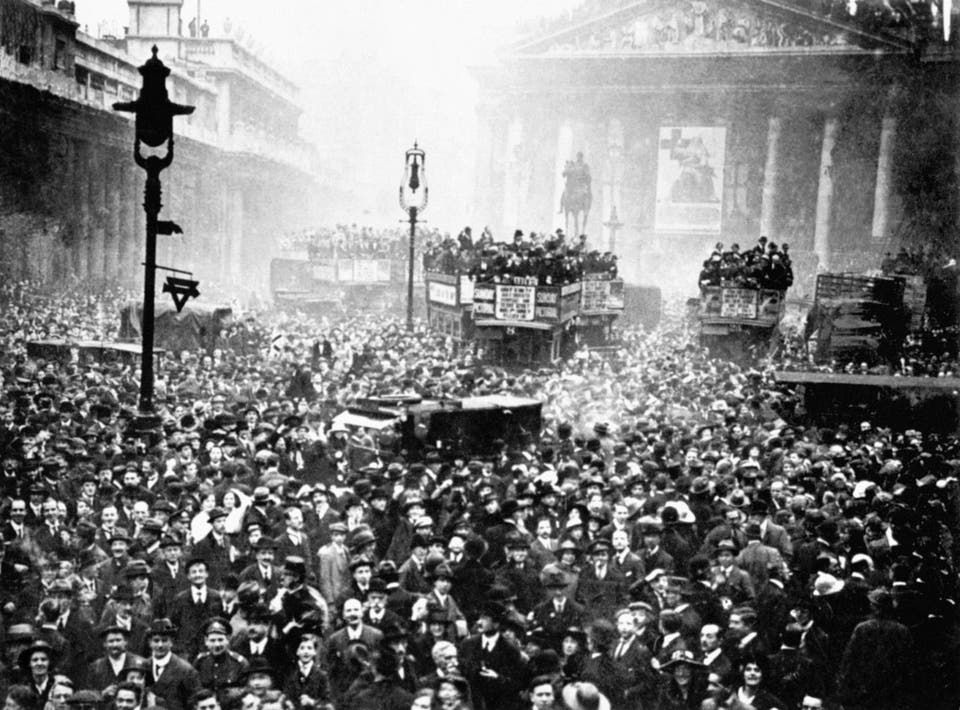
In 1919, the first Armistice Day was observed in Canada and other Commonwealth nations. The day was initially set aside as a time to reflect on the sacrifices made during the war and to celebrate the return of peace. In the years that followed, however, Armistice Day and Thanksgiving were observed on the same day, resulting in a less focused commemoration. This changed in 1931 when Member of Parliament A.W. Neal proposed a bill to separate the two observances. The bill passed, and the official name was changed to Remembrance Day, designated exclusively for November 11, and dedicated solely to honoring the fallen soldiers.
The Symbolism of the Poppy
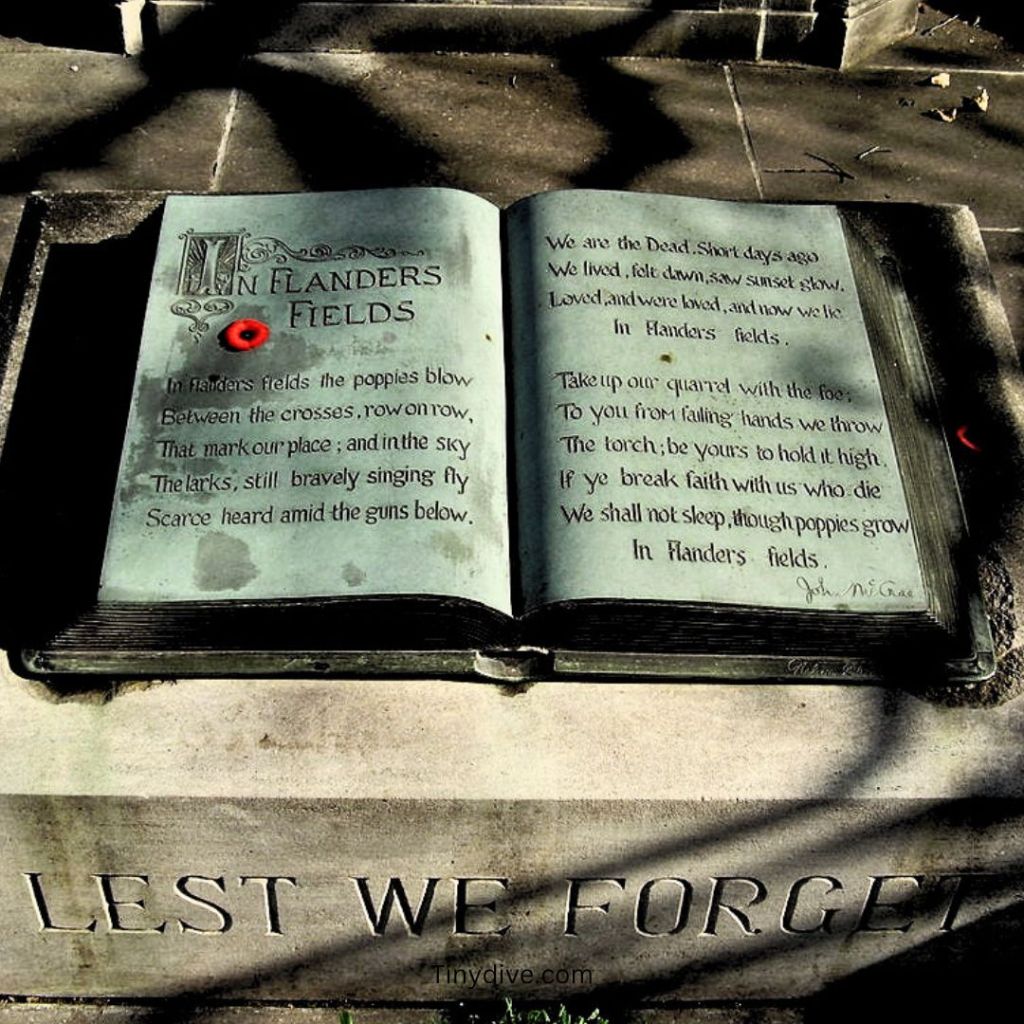
One of the most enduring symbols of Remembrance Day is the red poppy, inspired by the famous poem In Flanders Fields written by Canadian physician Lieutenant-Colonel John McCrae. McCrae wrote the poem in 1915 after witnessing the brutal realities of war and the fields of red poppies growing amid the graves of fallen soldiers in Belgium. The poppy quickly became a symbol of remembrance and respect. In 1921, the Great War Veterans’ Association (a precursor to the Royal Canadian Legion) adopted the poppy as a symbol of remembrance in Canada, a tradition that continues to this day. Each year, the Royal Canadian Legion sells poppies, with proceeds supporting veterans and their families.
The Evolving Meaning of Remembrance Day
Initially, Remembrance Day focused on honoring those who served in World War I. However, after the outbreak of World War II and subsequent conflicts, the day expanded to include all Canadians who have served in the military, including those in the Korean War, peacekeeping missions, and other military operations. This broadening of focus has allowed Remembrance Day to evolve into a universal acknowledgment of the sacrifices made by Canadian military personnel across generations.
Over the years, the way Remembrance Day is observed has also changed. In the 1960s and 1970s, interest in Remembrance Day ceremonies waned, and some Canadians questioned its relevance. However, beginning in the 1980s and 1990s, with renewed national interest in Canada’s military heritage and increased awareness of Canada’s role in international peacekeeping, Remembrance Day gained renewed significance. Today, it serves as an opportunity not only to honor veterans of past conflicts but also to acknowledge the service of those currently in the armed forces.
Observing Remembrance Day in Canada Today
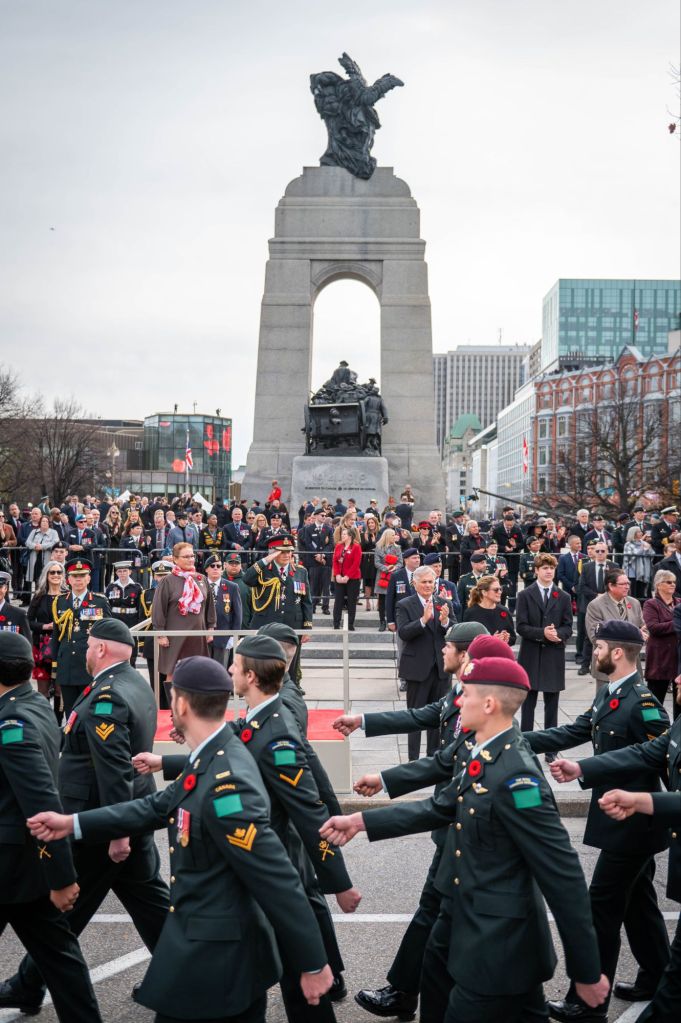
On Remembrance Day, Canadians observe a moment of silence at 11:00 a.m. to honor those who have served. Across the country, ceremonies are held at cenotaphs, war memorials, schools, and in communities large and small. The National War Memorial in Ottawa serves as the focal point for the national ceremony, which includes a parade of veterans, a flyover, the laying of wreaths, and the playing of The Last Post.
In addition to traditional ceremonies, Canadians observe Remembrance Day in various ways. Schools hold assemblies, the media airs documentaries and interviews with veterans, and communities come together to pay tribute. The day also includes online remembrance, with Canadians sharing memories and messages on social media to ensure that the legacy of veterans endures in the digital age.
Remembrance Day as a Reflection of Canadian Identity
Remembrance Day holds a unique place in Canadian identity, as it reflects values of peace, resilience, and solidarity. Canadians honor not only those who died in battle but also those who returned with physical and emotional scars. The day serves as a reminder of the impact of war on individuals, families, and communities, emphasizing the importance of understanding and preserving peace. By observing Remembrance Day, Canadians commit to learning from the past and ensuring that the sacrifices made were not in vain.
Conclusion
The history of Remembrance Day in Canada illustrates how a single day can hold profound significance for a nation. From its origins as Armistice Day to its transformation into a day of national remembrance, it has become an essential part of Canadian culture. Through ceremonies, symbols like the poppy, and moments of silence, Canadians honor the service and sacrifice of those who fought for freedom and peace. Remembrance Day is not just a tribute to the past; it is a reminder of the responsibility to cherish and protect the peace that those who served worked so hard to achieve.

