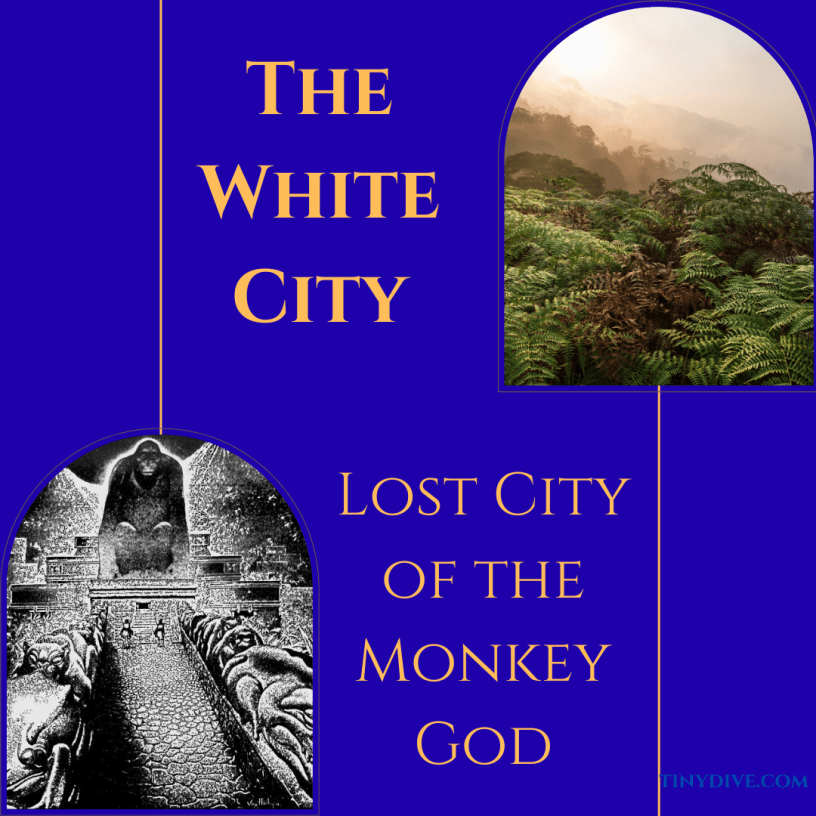
The Lost City of the Monkey God, also known as La Ciudad Blanca or the White City, has long captured the imagination of explorers, archaeologists, and adventurers alike. This ancient city, rumored to be hidden deep within the dense rainforests of Honduras, is steeped in mystery and folklore. It has fascinated those seeking both historical knowledge and lost treasures. Recent discoveries have shed light on this legendary city, revealing a fascinating blend of history, myth, and the harsh realities of exploration in an unforgiving environment.
The Origins of the Legend
The legend of the Lost City of the Monkey God dates back centuries, deeply rooted in indigenous stories and European explorers’ tales. Indigenous peoples of the region, such as the Pech and the Miskito, spoke of a city where gods and humans interacted. These stories reached European ears through early colonial writings and tales of Spanish explorers during the 16th century. Hernán Cortés, the famous conquistador, wrote of a “city of immense wealth” hidden somewhere in the Honduran jungle, sparking interest among treasure hunters.
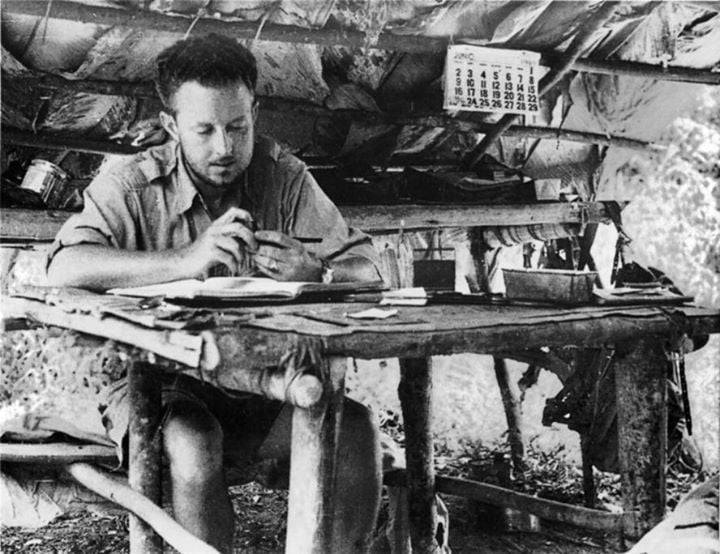
Theodore Morde: Source
The name “City of the Monkey God” stems from tales of a civilization that supposedly revered a monkey deity, as well as rumors of giant effigies of primates. Explorers like Theodore Morde, an American adventurer who led an expedition in 1940, claimed to have found the city but died before revealing its location, which added to the intrigue and mystique surrounding the site. For decades, the idea of an ancient, untouched city hidden from modern civilization remained a captivating but elusive legend.
Rediscovery in the 21st Century
In the 21st century, technological advances led to a renewed effort to find the Lost City. One of the most significant breakthroughs came in 2012, when a team of archaeologists and scientists used LiDAR (Light Detection and Ranging) technology to map the dense Honduran rainforest from the air. This method allowed them to see beneath the thick canopy, revealing structures and man-made formations that had been hidden for centuries.
The expedition, led by filmmaker Steve Elkins and with the assistance of archaeologist Christopher Fisher, confirmed that a major archaeological site lay buried within the Mosquitia region of Honduras. What they discovered were remnants of an unknown civilization, complete with plazas, mounds, and pyramidal structures, suggesting a complex urban center. While the team did not find definitive evidence that it was the fabled City of the Monkey God, the discovery of the ancient city provided crucial insights into a pre-Columbian civilization that had remained hidden from the world.
The Significance of the Discovery
The rediscovery of the Lost City of the Monkey God has been one of the most important archaeological finds in recent history, providing a glimpse into a lost civilization that thrived in Central America before the arrival of Europeans. The site revealed pottery, carved stone figures, and evidence of advanced urban planning, indicating a sophisticated culture that had adapted to the challenging environment of the rainforests.
It is believed that the city may have been a part of a larger cultural complex that flourished between 1000 and 1500 AD. However, like many pre-Columbian societies, the inhabitants might have been decimated by European-introduced diseases or driven out by conflict and environmental changes. The site also gives researchers insight into the broader history of human habitation in the Americas, challenging assumptions about the reach and complexity of indigenous cultures in the region.
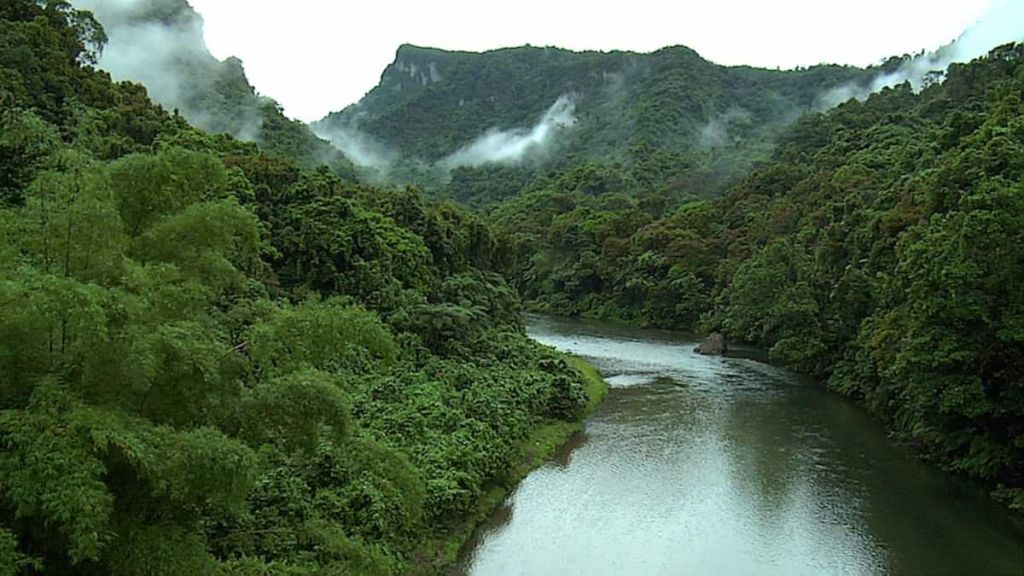
La Mosquitia region. Source: Proceso.hn
The Challenges of Exploration
While the discovery of the Lost City is celebrated, it has come at a significant human and environmental cost. The Mosquitia rainforest, where the site is located, is one of the most inhospitable regions on Earth, filled with deadly insects, snakes, and thick vegetation. Many members of the expedition, including writer Douglas Preston, who chronicled the journey in his book The Lost City of the Monkey God, contracted a rare parasitic disease known as leishmaniasis, which poses long-term health risks.
Additionally, the region is fraught with political instability, illegal logging, and drug trafficking, making archaeological work dangerous. These challenges have highlighted the difficulties of preserving such sites and the need for international cooperation to protect cultural heritage from looting and environmental destruction. Despite these obstacles, the exploration of the city has reinvigorated interest in Honduras’ archaeological potential, bringing attention to the need for conservation efforts.
Myth, History, and the Future
The Lost City of the Monkey God stands at the crossroads of myth and history. While the rediscovery of a hidden civilization may not fully align with the more fantastical elements of the legend, such as golden statues and treasures, the reality is no less captivating. The ruins speak of a vanished world, offering a testament to the ingenuity and adaptability of its builders. They underscore the fragility of ancient societies, which could rise to prominence yet remain vulnerable to environmental and external threats.
The story of this ancient city also reminds us of the power of human curiosity and the enduring allure of the unknown. As new technologies enable deeper exploration of the world’s most remote places, the boundaries between legend and history continue to blur. While we may never know the full truth behind the City of the Monkey God, its discovery serves as a symbol of the enduring quest to uncover the secrets of the past.
Conclusion
The Lost City of the Monkey God has moved from the realm of legend to a subject of scholarly study and international intrigue. Its discovery in the Honduran rainforest provides a rare glimpse into a civilization that time had forgotten, enriching our understanding of pre-Columbian history in Central America. Yet, this journey of rediscovery also underscores the risks and challenges faced by those who dare to seek out the unknown. The story of this lost city is one of resilience, both of the ancient peoples who built it and the modern explorers who dared to uncover its secrets. It is a reminder that even in our technologically advanced age, the world still holds mysteries waiting to be uncovered.
 Tiny Dive