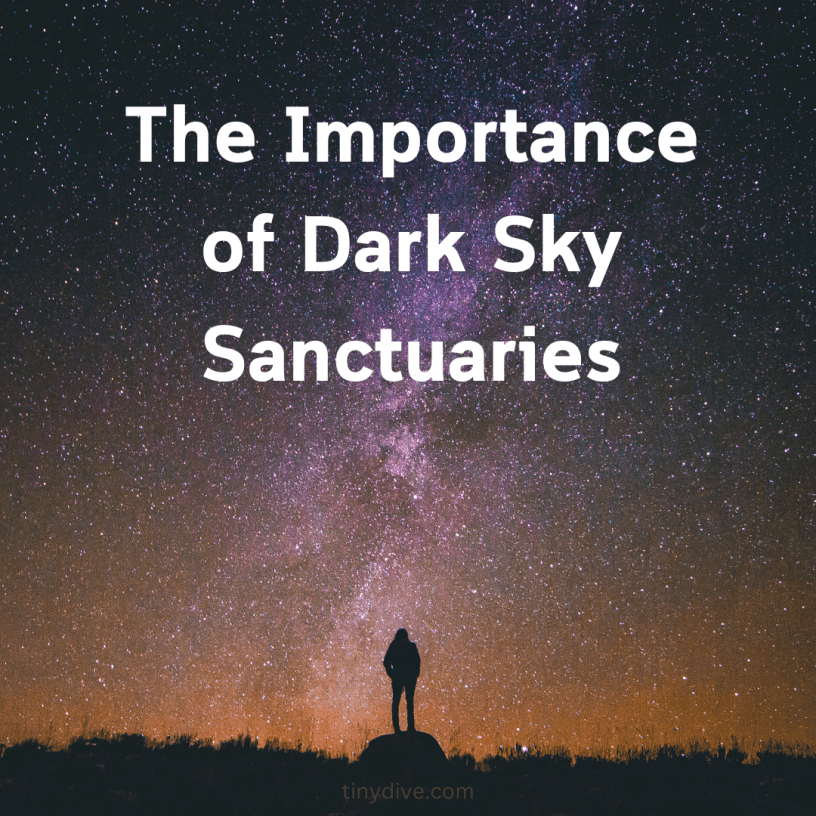
In an increasingly urbanized world, artificial light pollution is a growing concern that affects not only our environment but also our physical and mental well-being. Dark sky sanctuaries, designated areas with minimal to no artificial light, offer a haven from this pollution, preserving the natural night sky for ecological, scientific, cultural, and personal benefits. This essay explores the importance of dark sky sanctuaries, highlighting their roles in environmental conservation, scientific research, cultural heritage, and human health.
Environmental Conservation
One of the primary benefits of dark sky sanctuaries is their role in environmental conservation. Artificial light pollution disrupts ecosystems and affects wildlife behavior, particularly nocturnal species. Many animals rely on natural light cycles for navigation, foraging, and reproduction. For instance, sea turtles use moonlight to find their way to the ocean after hatching, and artificial lights can lead them astray. Similarly, migratory birds use stars for navigation, and excessive artificial lighting can disorient them, leading to fatal collisions with buildings. By preserving natural darkness, dark sky sanctuaries help protect these species and maintain biodiversity.

Scientific Research
Dark sky sanctuaries are invaluable for astronomical research. The increasing prevalence of light pollution makes it challenging for astronomers to observe celestial phenomena. Dark skies provide clear and unobstructed views of stars, planets, and other celestial bodies, enabling precise observations and data collection. This is crucial for advancing our understanding of the universe, from studying the behavior of distant galaxies to tracking near-Earth objects that could pose a threat to our planet. Observatories located in dark sky areas, such as the Mauna Kea Observatories in Hawaii, have made significant contributions to astronomy thanks to their pristine viewing conditions.
Cultural Heritage
The night sky has been a source of inspiration and cultural significance for human societies throughout history. Ancient civilizations used the stars for navigation, timekeeping, and religious rituals. Constellations and celestial events feature prominently in mythologies and cultural traditions around the world. Dark sky sanctuaries help preserve this cultural heritage by allowing people to experience the night sky as our ancestors did. In many indigenous cultures, the night sky is intertwined with stories and practices that are integral to their identity and worldview. Protecting dark skies helps maintain these cultural connections and ensures that future generations can continue to engage with this aspect of our shared heritage.
Human Health and Well-being
Exposure to artificial light at night can have detrimental effects on human health. Light pollution disrupts our natural circadian rhythms, leading to sleep disorders, reduced melatonin production, and increased risk of chronic conditions such as obesity, diabetes, and cardiovascular disease. Dark sky sanctuaries provide an opportunity for people to experience natural darkness, which can improve sleep quality and overall well-being. Additionally, spending time under a star-filled sky can have profound psychological benefits. The experience of awe and wonder when gazing at the cosmos can reduce stress, enhance mood, and foster a sense of connection to the larger universe.

Education and Public Awareness
Dark sky sanctuaries also play a crucial role in education and raising public awareness about the impacts of light pollution. Many sanctuaries offer programs and events that educate visitors about astronomy, environmental conservation, and the importance of preserving dark skies. These initiatives can inspire people to take action in their communities, such as advocating for better lighting practices and supporting policies that reduce light pollution. By promoting a broader understanding of the value of dark skies, these sanctuaries contribute to a cultural shift towards more sustainable and mindful lighting practices.
Conclusion
Dark sky sanctuaries are vital for preserving the natural night sky and the myriad benefits it offers. They protect wildlife and ecosystems, support scientific research, preserve cultural heritage, and enhance human health and well-being. As light pollution continues to increase globally, the importance of these sanctuaries becomes even more pronounced. By safeguarding areas of natural darkness, we ensure that future generations can continue to experience the beauty and wonder of the night sky, while also fostering a healthier and more sustainable relationship with our environment.
 Tiny Dive