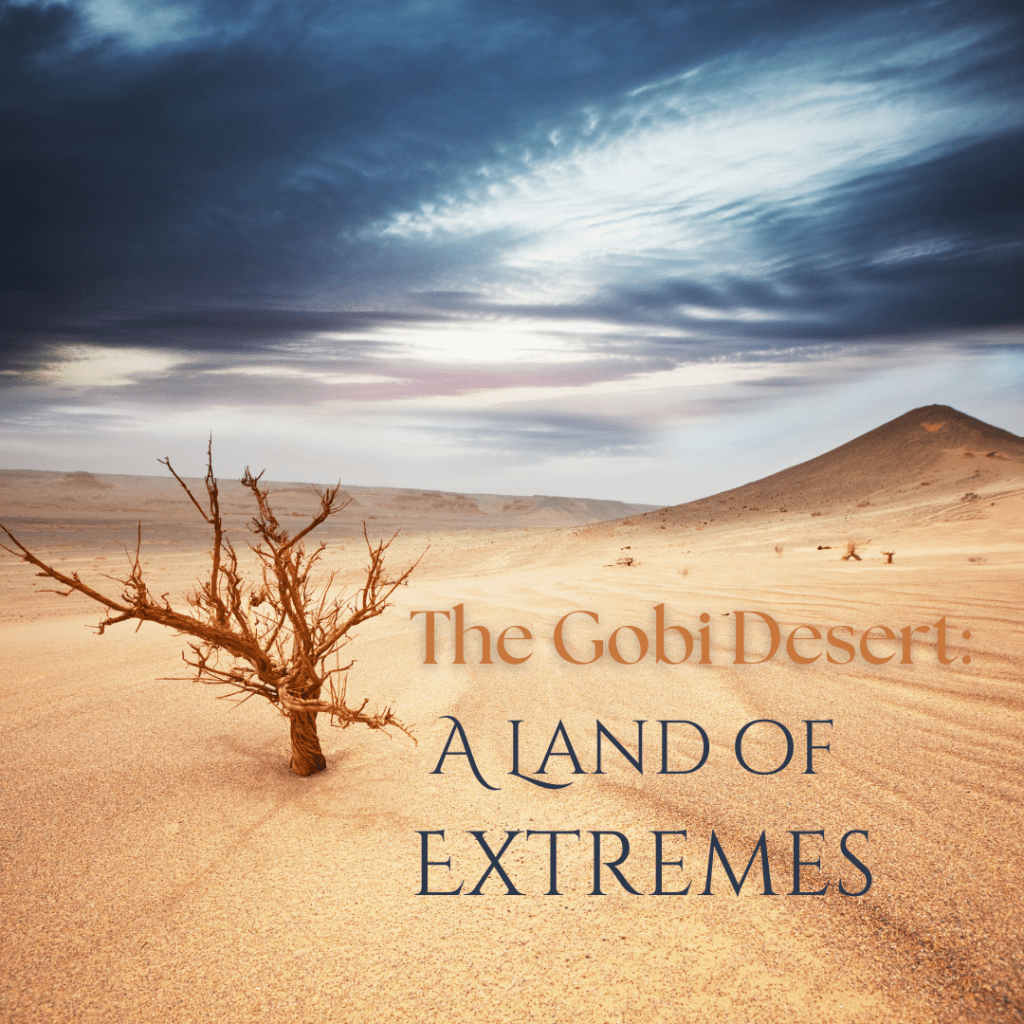
The Gobi Desert, one of the largest deserts in the world, spans northern China and southern Mongolia. Renowned for its harsh climate, unique geography, and rich history, the Gobi offers a captivating study of natural extremes and human adaptation. This essay delves into the desert’s environmental characteristics, its significance in human history, and its role in contemporary ecological discussions.
Geographic and Climatic Features
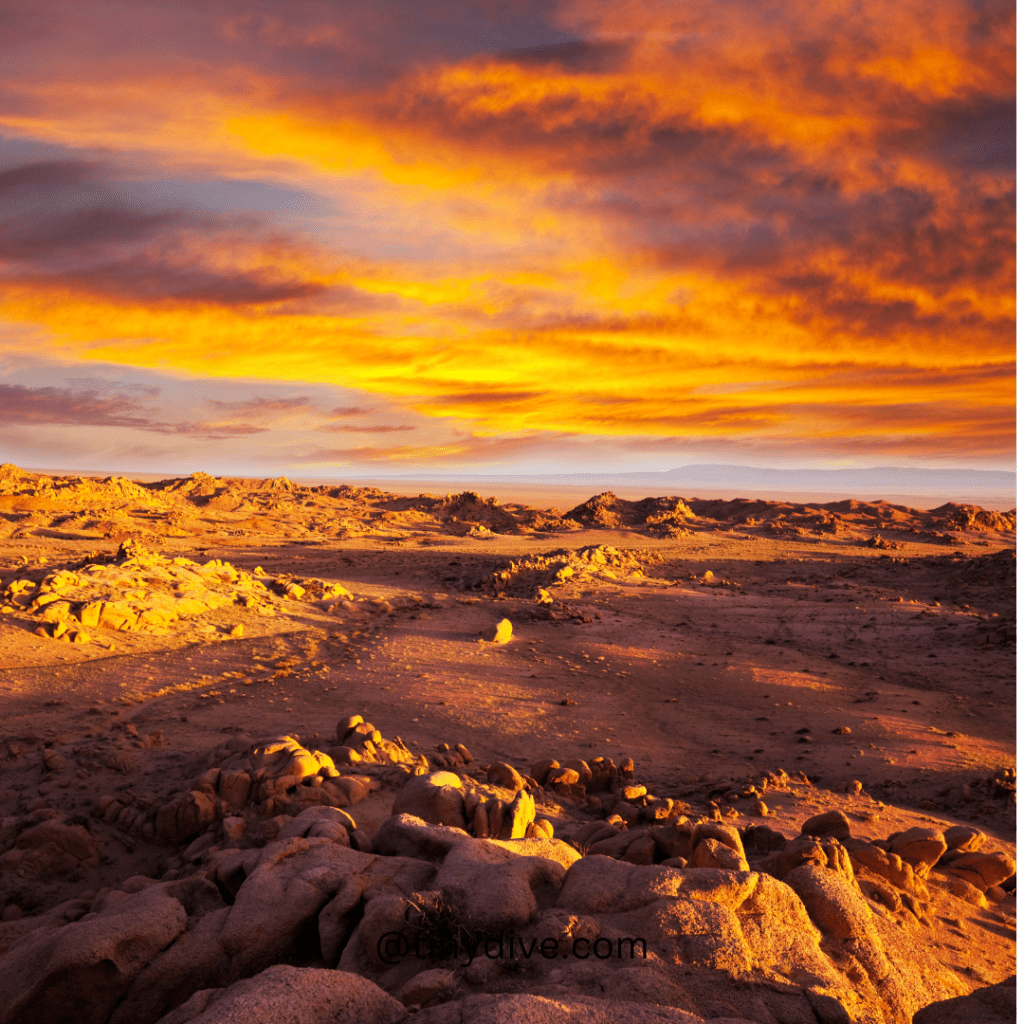
The Gobi Desert covers approximately 1.3 million square kilometers, making it the fifth largest desert globally. It is characterized by its vast expanse of arid land, rugged mountains, and diverse landscapes, including sand dunes, gravel plains, and rocky outcrops. The desert’s name, derived from the Mongolian word for “desert,” reflects its inhospitable nature.
Climatically, the Gobi is classified as a cold desert, with extreme temperature fluctuations. Summers can be scorching, with temperatures soaring above 40°C (104°F), while winters are frigid, often dropping to -40°C (-40°F). This stark temperature variation contributes to the desert’s unique ecosystem, where organisms have adapted to survive in such extreme conditions. The Gobi receives limited precipitation, averaging about 194 millimeters (7.6 inches) annually, which further underscores its aridity.
Biodiversity and Ecosystem
Despite its harsh conditions, the Gobi Desert is home to a surprising array of flora and fauna. The ecosystem is characterized by hardy plants, such as saxaul trees and various grasses, which have adapted to conserve water. These plants are essential for preventing soil erosion and providing habitat for wildlife.
Animal species in the Gobi have also evolved to withstand the desert’s challenges. Notable inhabitants include the elusive snow leopard, the Gobi pit viper (also called the central asian pit viper), the critically endangered Bactrian camel, and the world’s rarest bear, the Gobi bear. These animals are well adapted to the desert’s environment, showcasing unique behaviors and physical traits that enable their survival. Conservation efforts are increasingly important as human activities and climate change threaten these species and their habitats.

Historical Significance
The Gobi Desert has played a pivotal role in human history, particularly as part of the Silk Road trade route. For centuries, it facilitated the exchange of goods, ideas, and cultures between East and West. Caravan traders traversed the desert, transporting silk, spices, and other valuable commodities, fostering economic and cultural connections that shaped civilizations.
Archaeological findings in the Gobi reveal a rich tapestry of human activity, including ancient trade routes, fortresses, and settlements. The desert is dotted with historical relics, such as the ruins of the ancient city of Khara Khoto, which serve as reminders of its strategic importance in trade and cultural exchange.
Moreover, the Gobi has been significant in the exploration of paleontology, being the largest fossil reservoir in the world. Fossil discoveries, including dinosaur eggs and skeletons, have provided invaluable insights into prehistoric life, further enhancing the region’s allure for scientists and tourists alike.
Modern Challenges and Conservation Efforts
Today, the Gobi Desert faces numerous environmental challenges, primarily driven by climate change and human activities. Desertification, overgrazing, and mining threaten the delicate balance of its ecosystem. The impacts of global warming, such as increased temperatures and altered precipitation patterns, are exacerbating these issues, leading to concerns about biodiversity loss and habitat degradation.
In response, various conservation initiatives have been implemented to protect the Gobi’s unique environment. Efforts include the establishment of protected areas, sustainable land management practices, and community-based conservation programs that involve local populations. These initiatives aim to balance the needs of human communities with the preservation of the desert’s ecological integrity.
Conclusion
The Gobi Desert stands as a testament to the resilience of nature and the adaptability of life in extreme conditions. Its diverse landscapes and rich history offer valuable insights into the interplay between humans and their environment. As we confront modern challenges such as climate change and resource depletion, the Gobi serves as a poignant reminder of the need for sustainable practices and conservation efforts. By understanding and appreciating this remarkable desert, we can work toward preserving its unique heritage for future generations.
 Tiny Dive