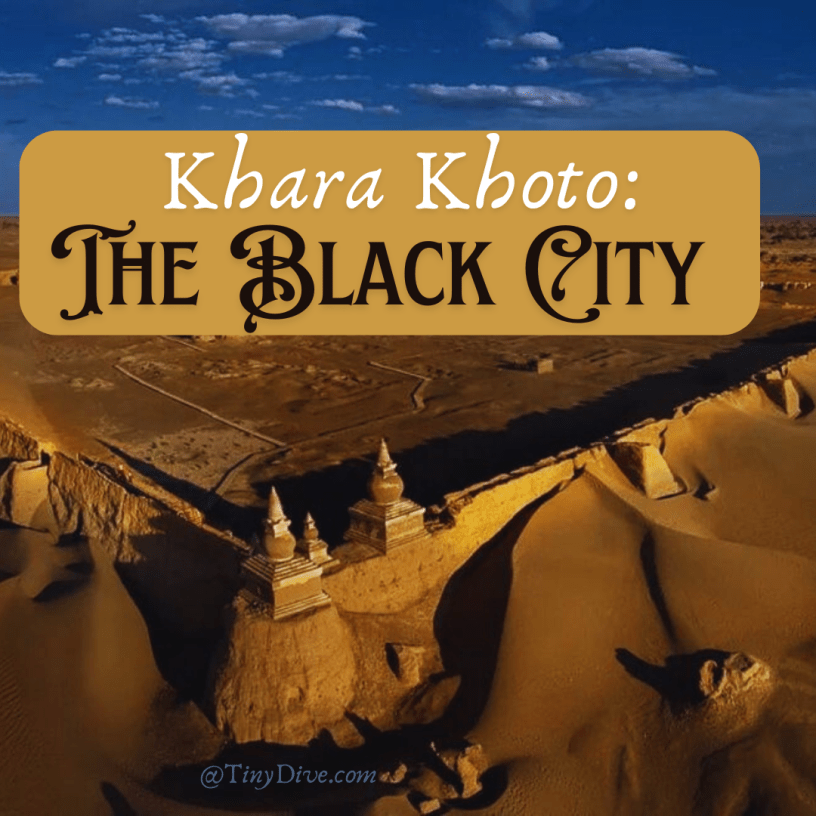
Khara Khoto, often referred to as the “Black City,” is a historical site located in the Gobi Desert of modern-day Mongolia. This ancient city, established during the Tang and Yuan dynasties, serves as a fascinating testament to the region’s rich cultural and commercial history. Its ruins, steeped in mystery and intrigue, offer valuable insights into the interplay of trade, religion, and cultural exchange along the Silk Road.

Historical Background
Khara Khoto was founded in the early 13th century, primarily as a result of the Mongol Empire‘s expansion and its extensive trade networks. The city quickly became an important hub along the Silk Road, a vast network of trade routes that connected East and West. This strategic location facilitated the exchange of goods, ideas, and cultures, making Khara Khoto a melting pot of diverse influences.
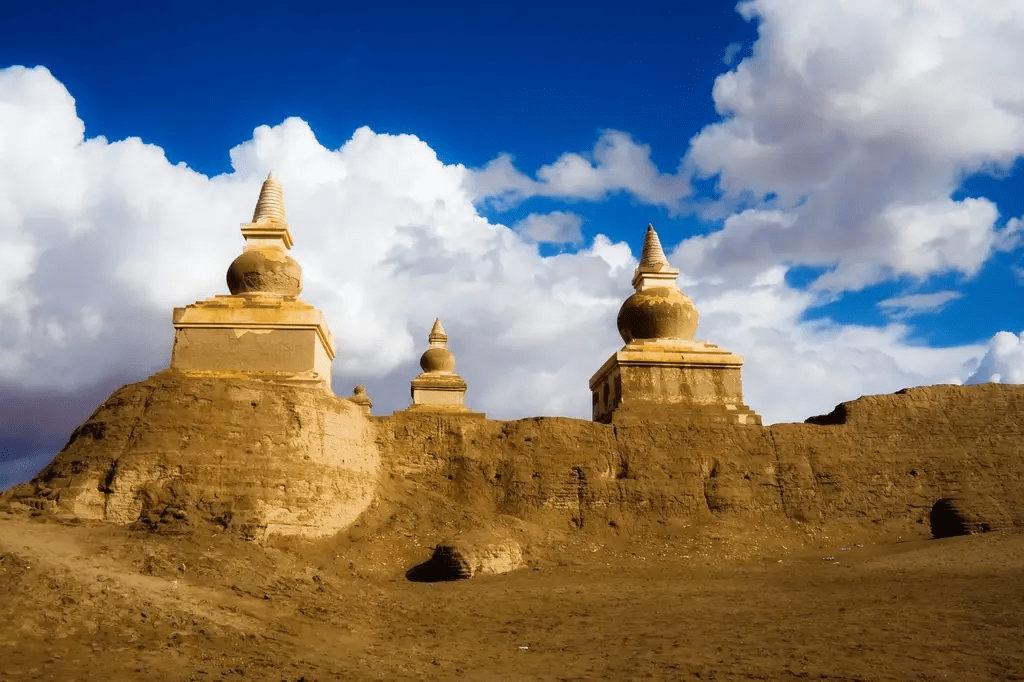
During its peak, Khara Khoto was a thriving urban center, characterized by its unique blend of Buddhist and Tibetan cultural elements. The presence of numerous monasteries and temples reflected the spiritual life of its inhabitants and the city’s role as a pilgrimage site for Buddhists traveling across Asia. The city’s architecture, including the remains of its walls and religious structures, illustrates the artistic achievements of the time, incorporating both Mongolian and Chinese design elements.
Archaeological Significance
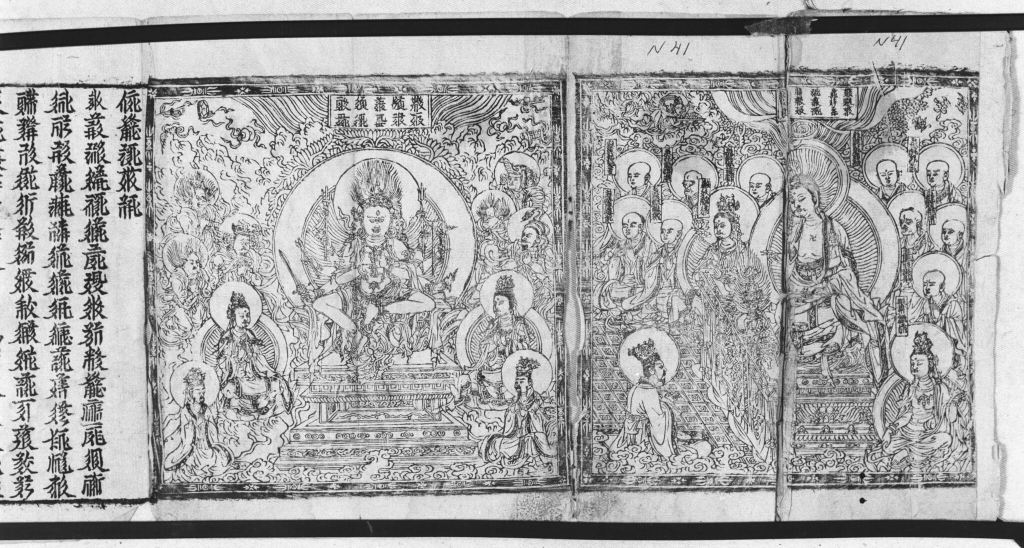
The ruins of Khara Khoto have garnered significant attention from archaeologists and historians. Excavations began in the early 20th century, revealing a wealth of artifacts, manuscripts, and architectural remnants that provide a glimpse into the daily lives of its residents. Among the most notable findings are textiles, ceramics, and coins that underscore the city’s role in trade and commerce.
One of the most remarkable discoveries at Khara Khoto is the cache of Buddhist texts and murals, which shed light on the spiritual practices and beliefs of its inhabitants. These artifacts indicate that the city was not only a commercial hub but also a center for learning and religious scholarship. The preservation of these materials is vital for understanding the spread of Buddhism in Central Asia and the cultural exchanges that took place along the Silk Road.
The Decline of Khara Khoto
The decline of Khara Khoto began in the late 14th century, largely due to the changing dynamics of trade routes and the rise of competing powers. As the Mongol Empire fragmented, the once-thriving city fell into decline, eventually becoming abandoned. Though many believe it was the Ming rulers that brought about the city’s demise by deverting the Ejin River, environmental factors, such as desertification and shifting trade patterns, also played a role in its deterioration.
Today, the site is a poignant reminder of the impermanence of civilizations. The ruins of Khara Khoto, partially buried in the sands of the Gobi Desert, evoke a sense of nostalgia and loss. They stand as a testament to the city’s former glory and the cultural exchanges that once flourished there.
Cultural Legacy and Modern Relevance
Khara Khoto’s legacy continues to resonate in contemporary discussions about cultural heritage and preservation. As an archaeological site, it provides valuable insights into the interconnectedness of civilizations and the importance of trade in shaping cultural identities. The city symbolizes the potential for cultural exchange to foster understanding and cooperation among diverse peoples.
In recent years, there has been a growing interest in preserving Khara Khoto and other similar sites. Efforts to promote sustainable tourism can help raise awareness about the cultural significance of these ruins while providing economic benefits to local communities. Educational programs aimed at highlighting the historical importance of Khara Khoto can further engage the public and encourage the protection of this unique heritage.
Conclusion
Khara Khoto stands as a captivating testament to the rich tapestry of history, culture, and trade that characterized the Silk Road. Its ruins not only tell the story of a once-thriving urban center but also reflect the broader themes of resilience and cultural exchange that define human civilization. As we continue to explore and understand sites like Khara Khoto, we honor the legacy of those who came before us and reaffirm the importance of preserving our shared cultural heritage for future generations.
 Tiny Dive