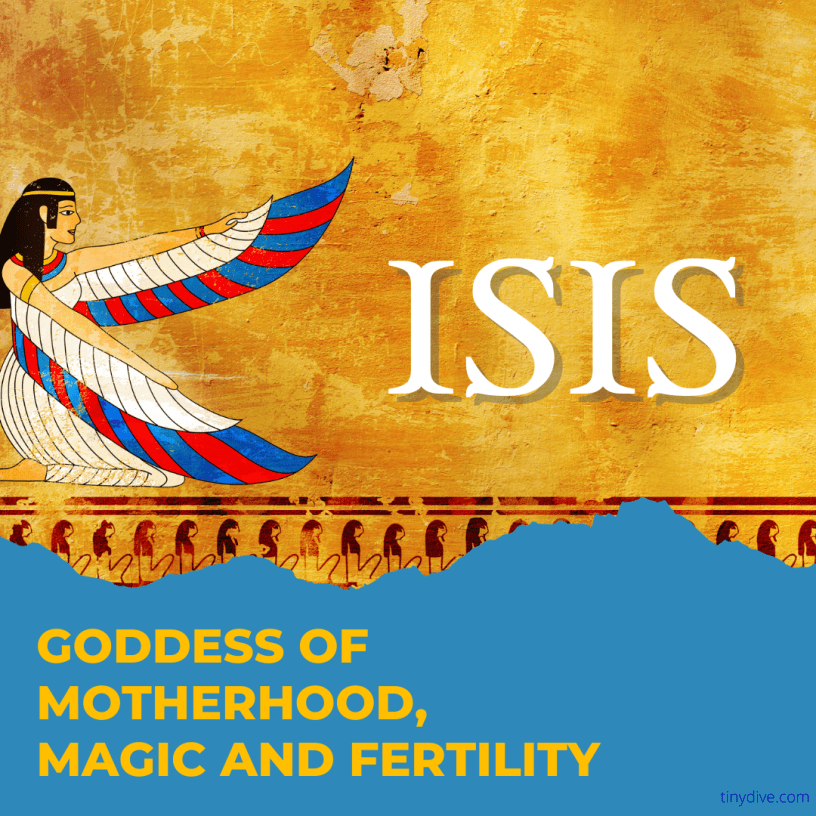
Isis, one of the most significant deities in the ancient Egyptian pantheon, is revered as the goddess of motherhood, magic, and fertility. Her worship, which extended beyond Egypt, influenced numerous cultures around the Mediterranean and beyond. Understanding Isis’s mythology, her roles and attributes, and her cultural impact provides a comprehensive view of her enduring legacy.
Mythology and Attributes
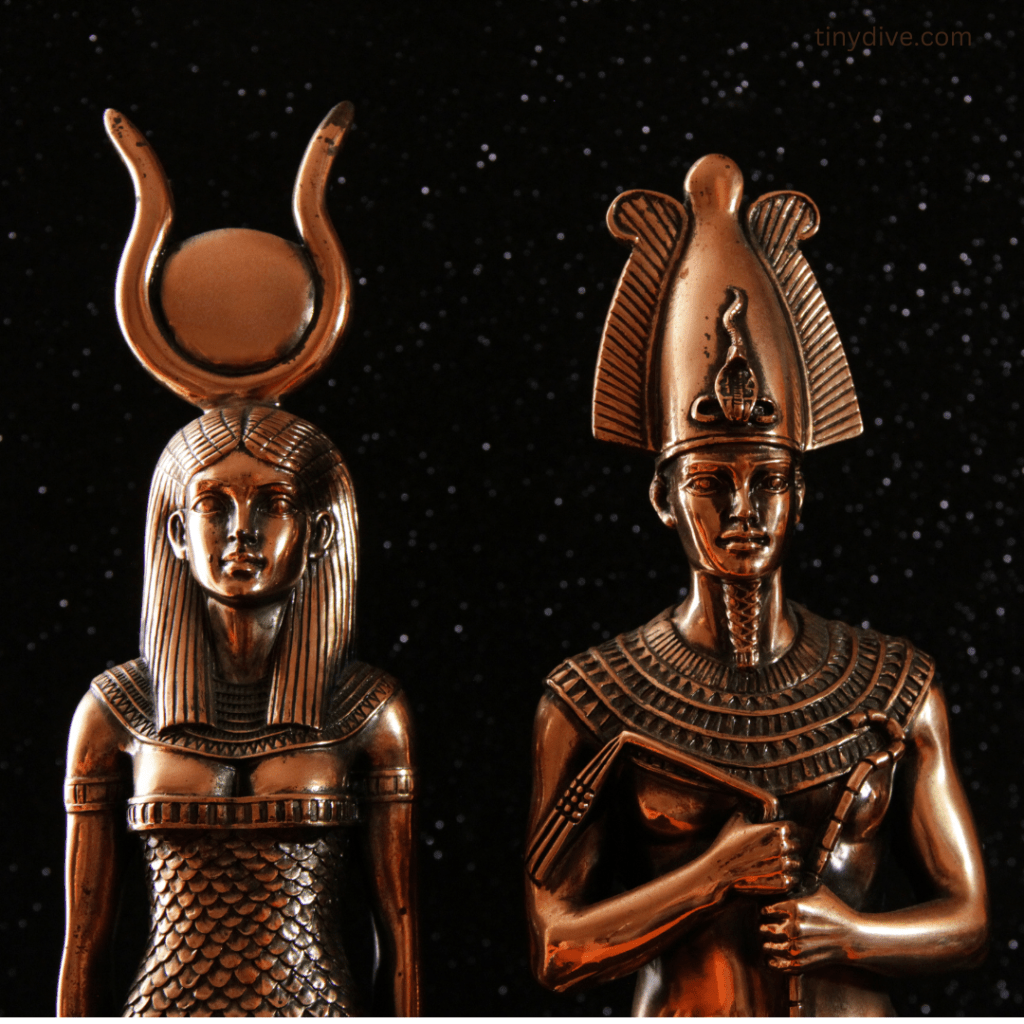
Isis, known as Aset in Egyptian, is often depicted as a woman with a throne-shaped headdress or with cow horns and a solar disk, representing her connection to the throne and the sun. As the daughter of the earth god Geb and the sky goddess Nut, and sister to Osiris, Seth, and Nephthys, Isis’s narrative is deeply interwoven with the major mythological themes of ancient Egypt.
One of the most compelling myths involving Isis is the story of Osiris. Isis is the devoted wife of Osiris, who was murdered by his brother Seth. In her profound grief, Isis searched for Osiris’s body, and with the help of her sister Nephthys and the god Anubis, she reassembled and resurrected him. Through her magic, she conceived their son Horus, who would later avenge his father and become a central figure in Egyptian mythology. This tale not only underscores Isis’s roles as a wife and mother but also her exceptional magical abilities and her association with resurrection and eternal life.
Roles and Symbolism
Isis embodies several crucial aspects of life and divinity:
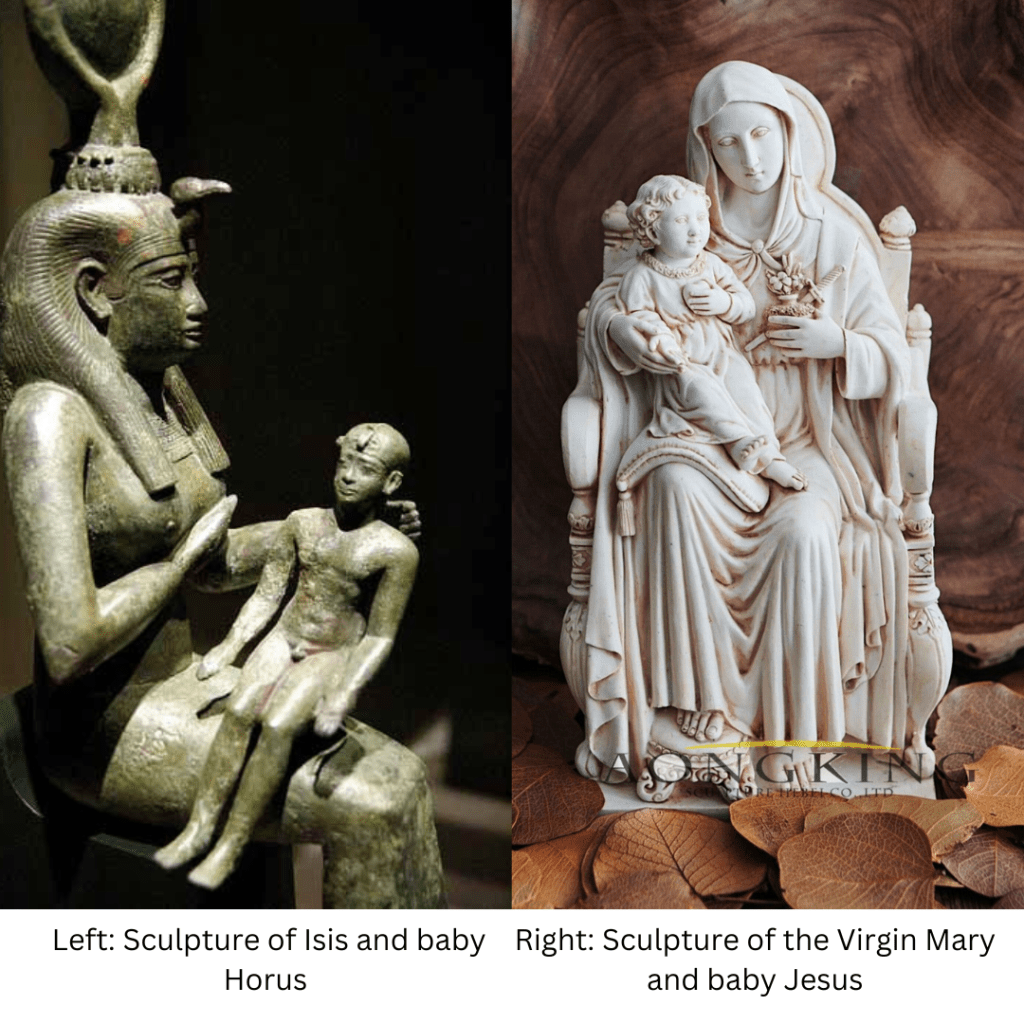
- Motherhood: Isis is often depicted nursing her son Horus, symbolizing her role as the quintessential mother. This image influenced later representations of the Virgin Mary in Christianity.
- Magic and Healing: Known as a powerful sorceress, Isis used her magical prowess to heal and protect. She was believed to possess secret knowledge and incantations that could cure the sick and protect the dead.
- Fertility and Nature: As a goddess of fertility, Isis was linked to the Nile’s inundation, which was essential for Egypt’s agriculture. Her tears for Osiris were said to cause the river’s annual flooding, nourishing the land and ensuring prosperity.
Cultural Impact
The worship of Isis transcended the boundaries of Egypt, spreading throughout the Greco-Roman world. Her cult became particularly prominent during the Hellenistic period, following Alexander the Great‘s conquest of Egypt. The Greeks and Romans adopted Isis, merging her attributes with those of their own goddesses, such as Demeter and Aphrodite.
Isis’s temples, known as Iseia, were established in many cities across the Roman Empire, including Rome itself. These temples became centers of religious and cultural activity, fostering a sense of unity among her diverse followers. The rituals associated with Isis, including processions, hymns, and mystery rites, were believed to offer personal salvation and eternal life, appealing to many in a time of political and social uncertainty.
Legacy
The influence of Isis persisted even after the decline of pagan religions. Elements of her iconography and mythology were integrated into early Christian traditions. For instance, the depiction of Isis nursing Horus influenced the artistic representations of the Virgin Mary and the infant Jesus. Furthermore, the concept of a compassionate, maternal figure providing solace and protection continued to resonate in various religious contexts.
In modern times, Isis remains a subject of fascination in popular culture and neo-pagan practices. Her imagery and myths continue to inspire literature, art, and spiritual movements, reflecting her enduring legacy as a symbol of maternal devotion, magic, and the eternal cycle of life and death.
Conclusion
Isis’s significance in ancient Egyptian religion and her enduring influence across cultures underscore her multifaceted roles as a goddess of motherhood, magic, and fertility. Her mythology and attributes highlight the ancient Egyptians’ values and beliefs, while her widespread worship and lasting legacy illustrate her universal appeal. As a symbol of resilience, love, and transformation, Isis remains a powerful and revered figure in both historical and contemporary contexts.
 Tiny Dive